By Anmol Gulati — India’s No.1 documentary wedding photographer (Reportage Awards).
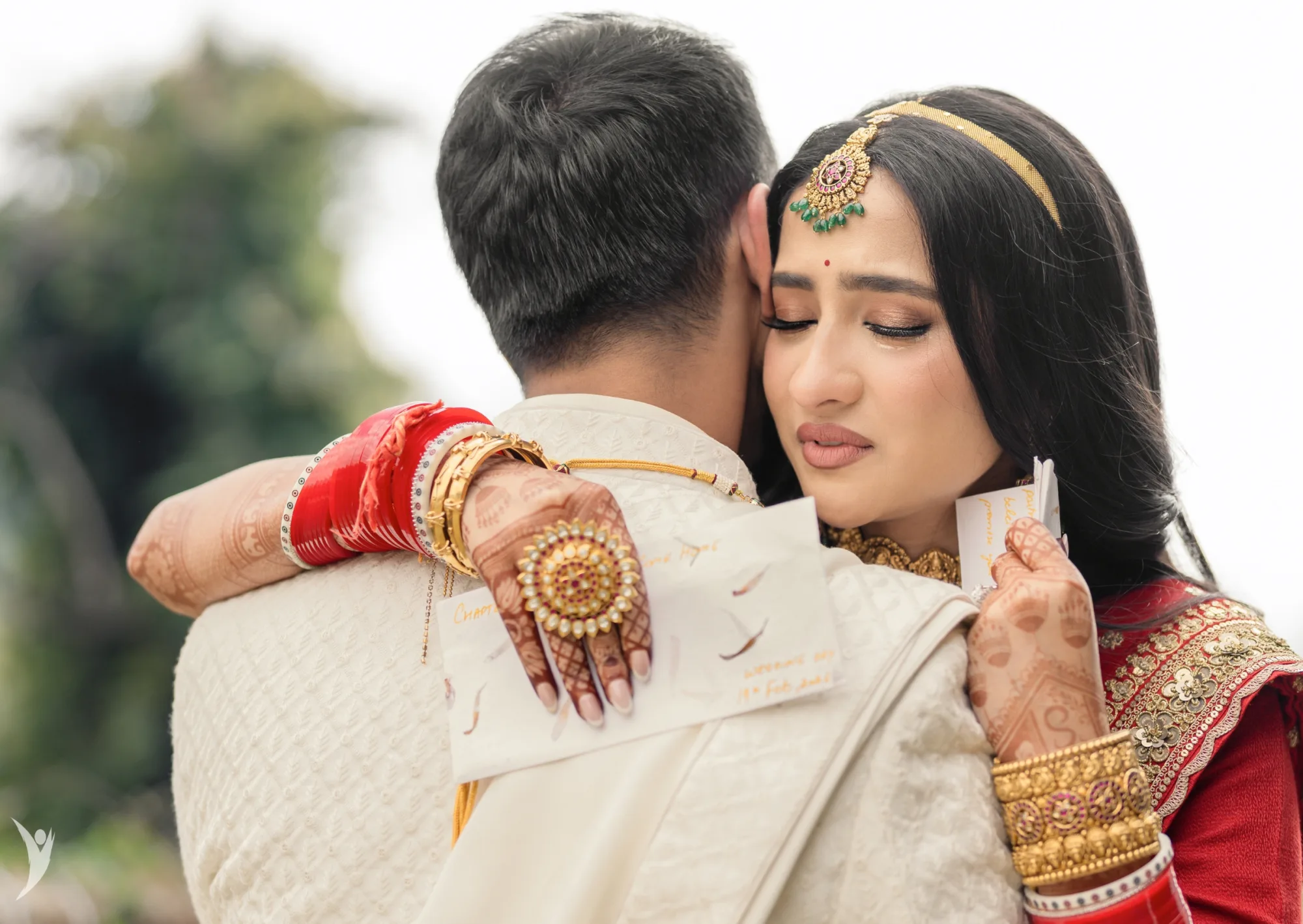
Her eyes were closed and she was crying, and nobody had asked her to do either. That one frame holds most of the answer to documentary vs candid wedding photography.
Her vows were still folded in her hand, pressed flat against his back. We were a few feet away and we did not say a word. This is not a contest between two styles — it is a question of how long a photographer is willing to wait, and how much they are willing to leave alone. Candid is the word couples type into Google. Documentary is what the deeper version of it is actually called.
Candid, and then candid. Put two frames side by side and the difference between candid and documentary stops being theoretical.
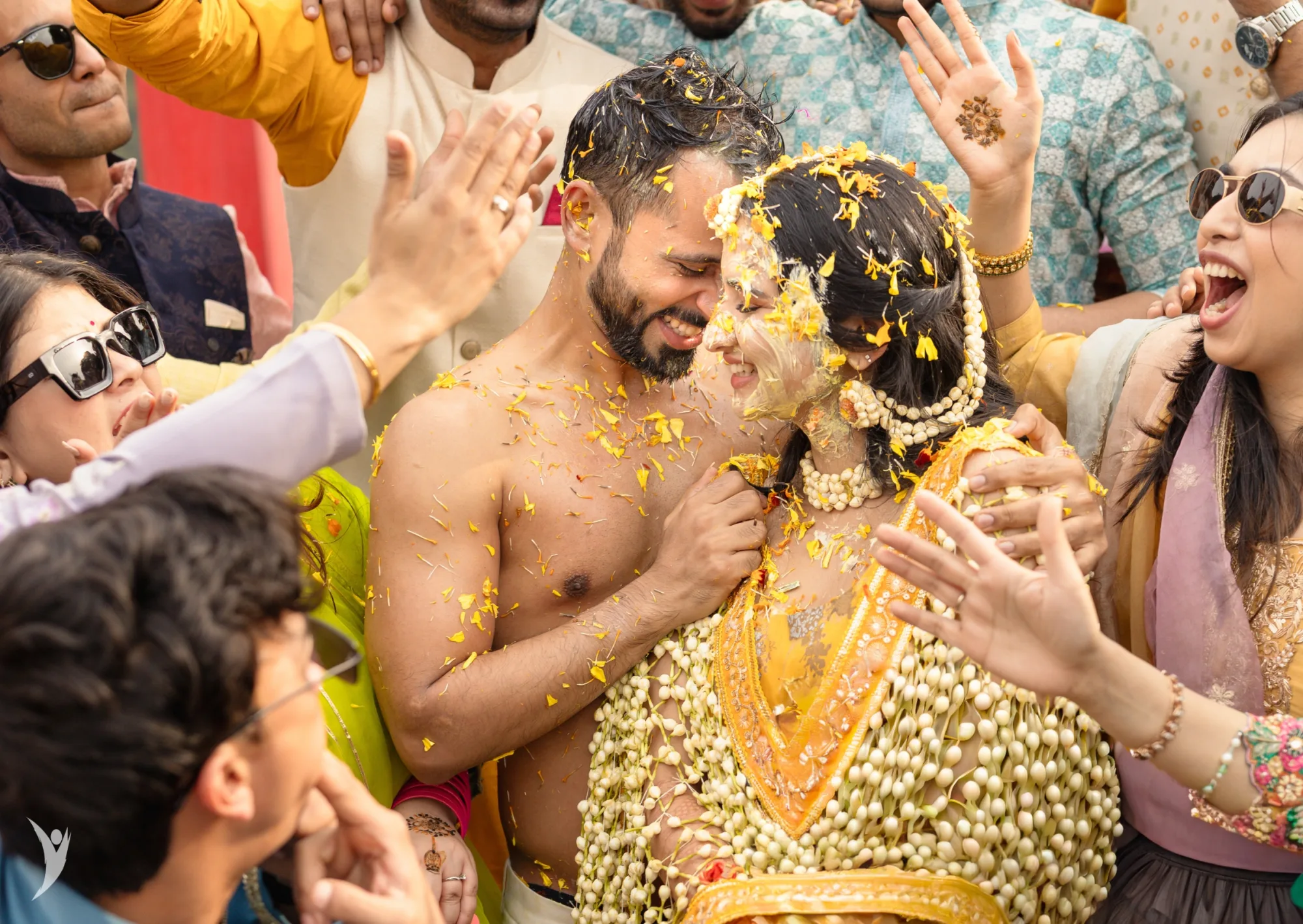
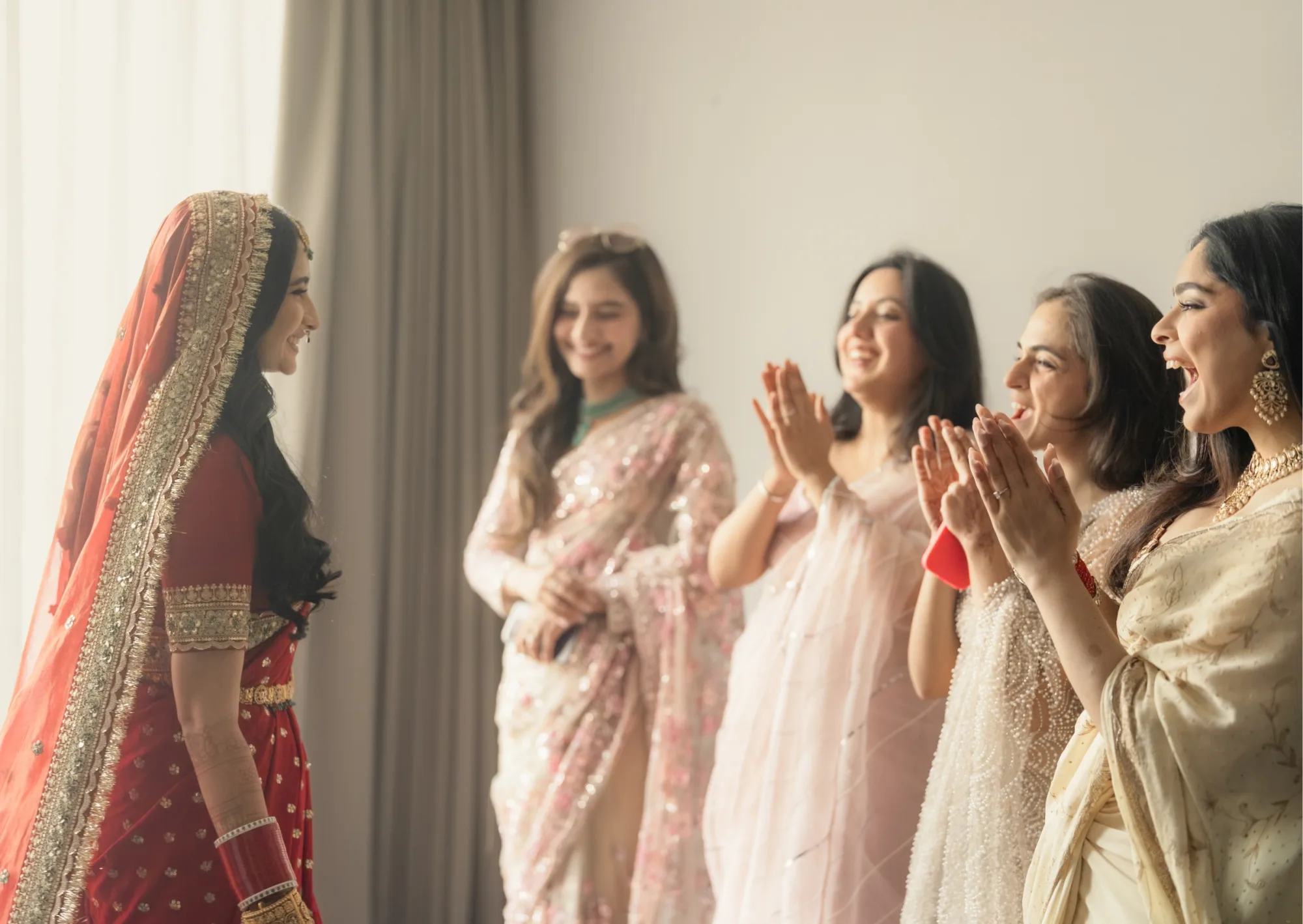
In the first, everyone is laughing, everyone knows there is a camera, and it is lovely. This is what most studios mean by candid wedding photography, and there is nothing wrong with it — a haldi will always give you this.
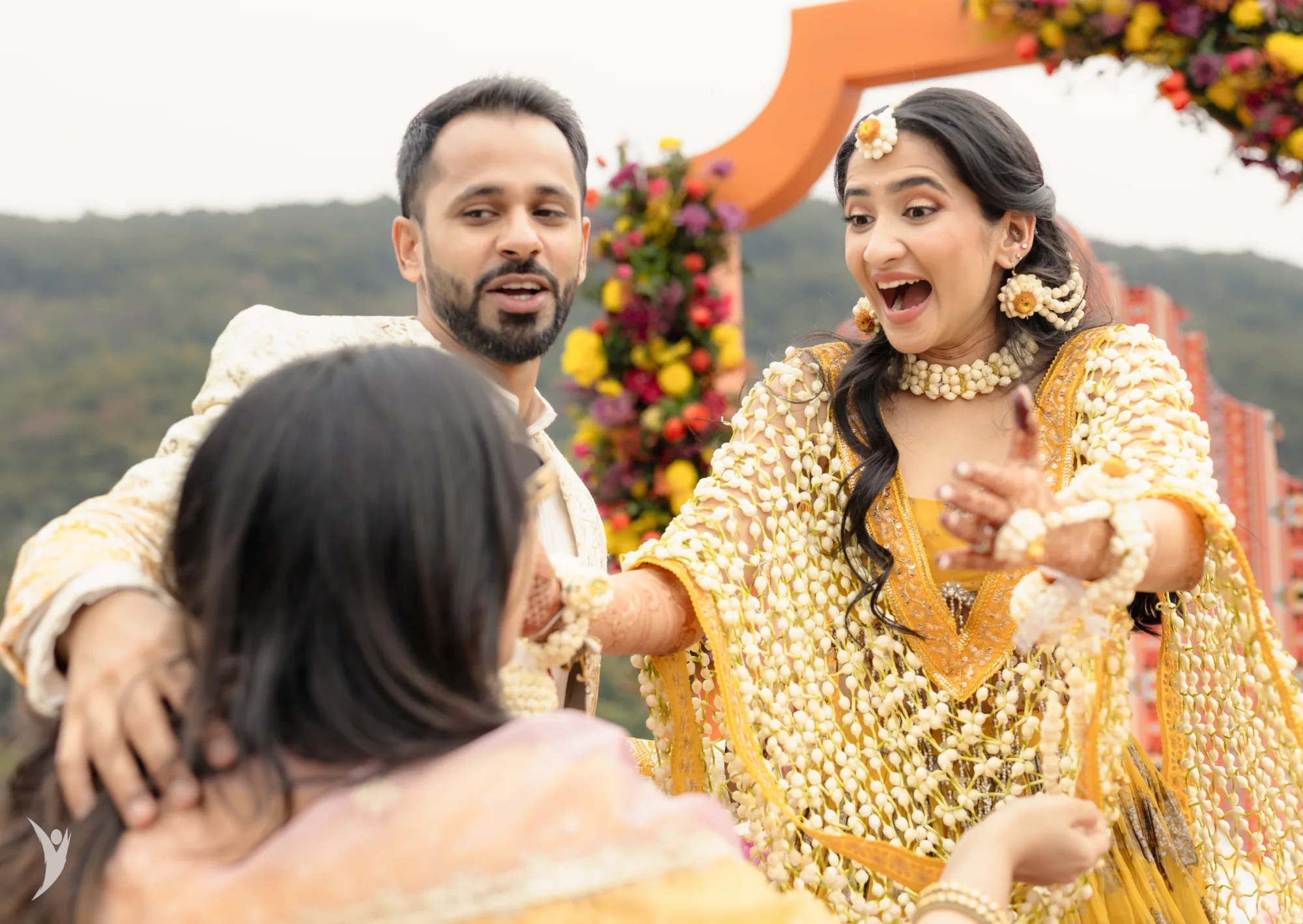
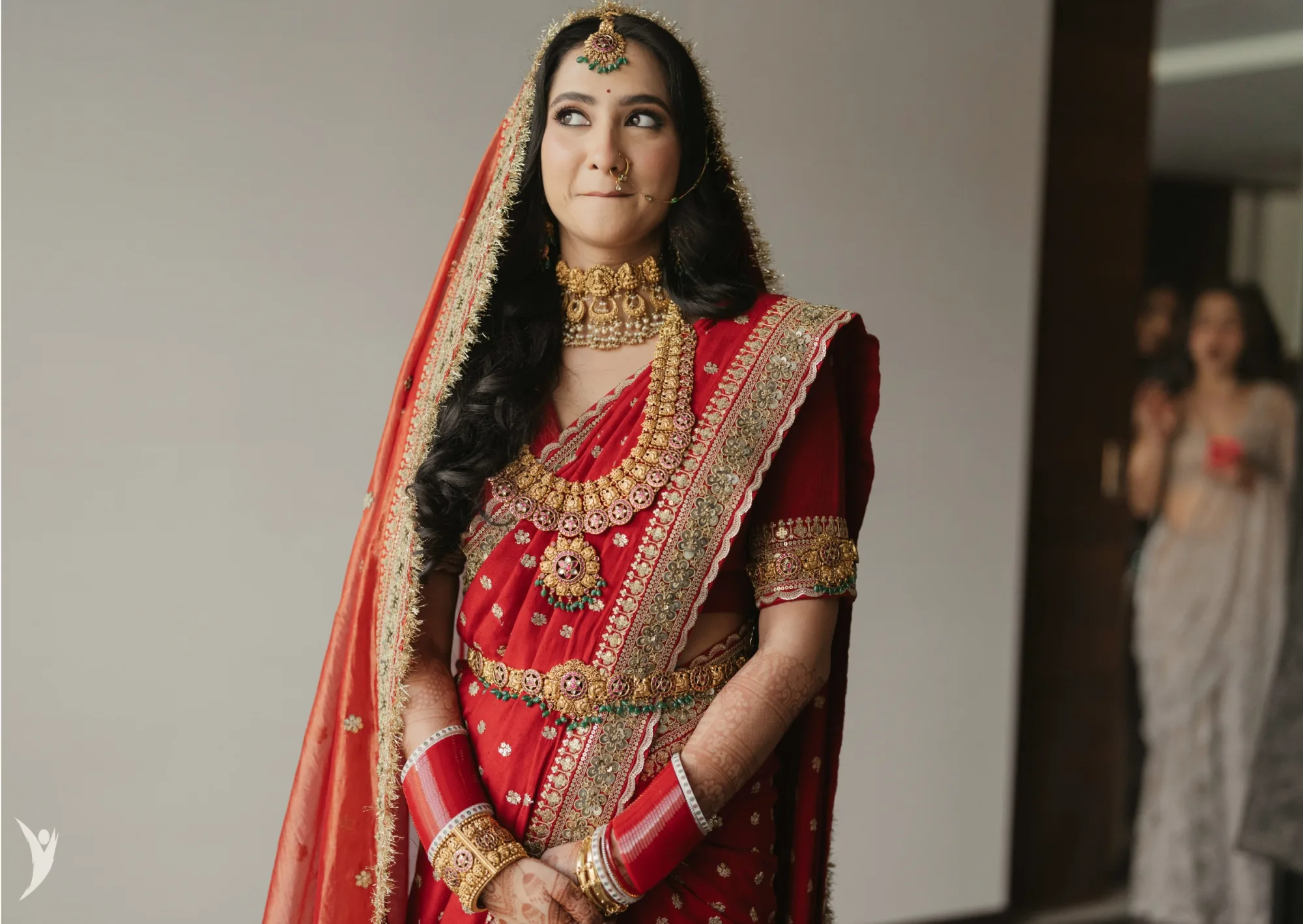
In the second, the same kind of afternoon and a different half-second. Nobody is performing. She is reacting to something off-frame and her face has not caught up with her yet. You cannot ask for that frame. You can only be standing in the right place when it arrives.
Candid means the camera was there. Documentary wedding photography means nobody remembered it was.
What a documentary eye catches that posing cannot. Four kinds of moment, none of which survive being asked for.
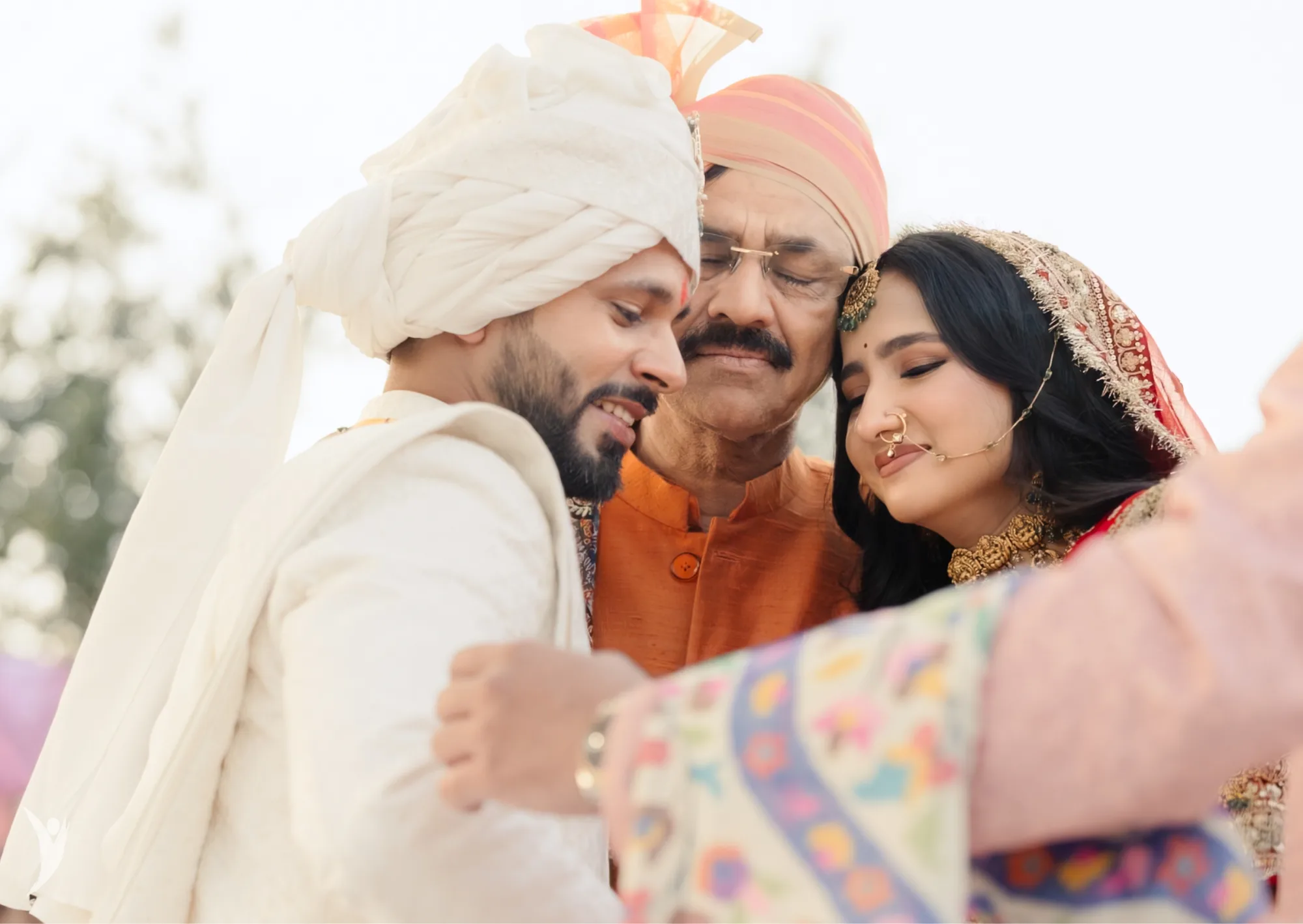
A parent’s face. Her father, between the two of them, with his eyes shut. This is the picture families keep. It lasted about three seconds, and no one inside it was thinking about a camera.
>
The look nobody directed. A bride walking in between her father and her brother. If we had asked her to lift her face, she would have — and it would have been worth nothing. The looking-up is hers.
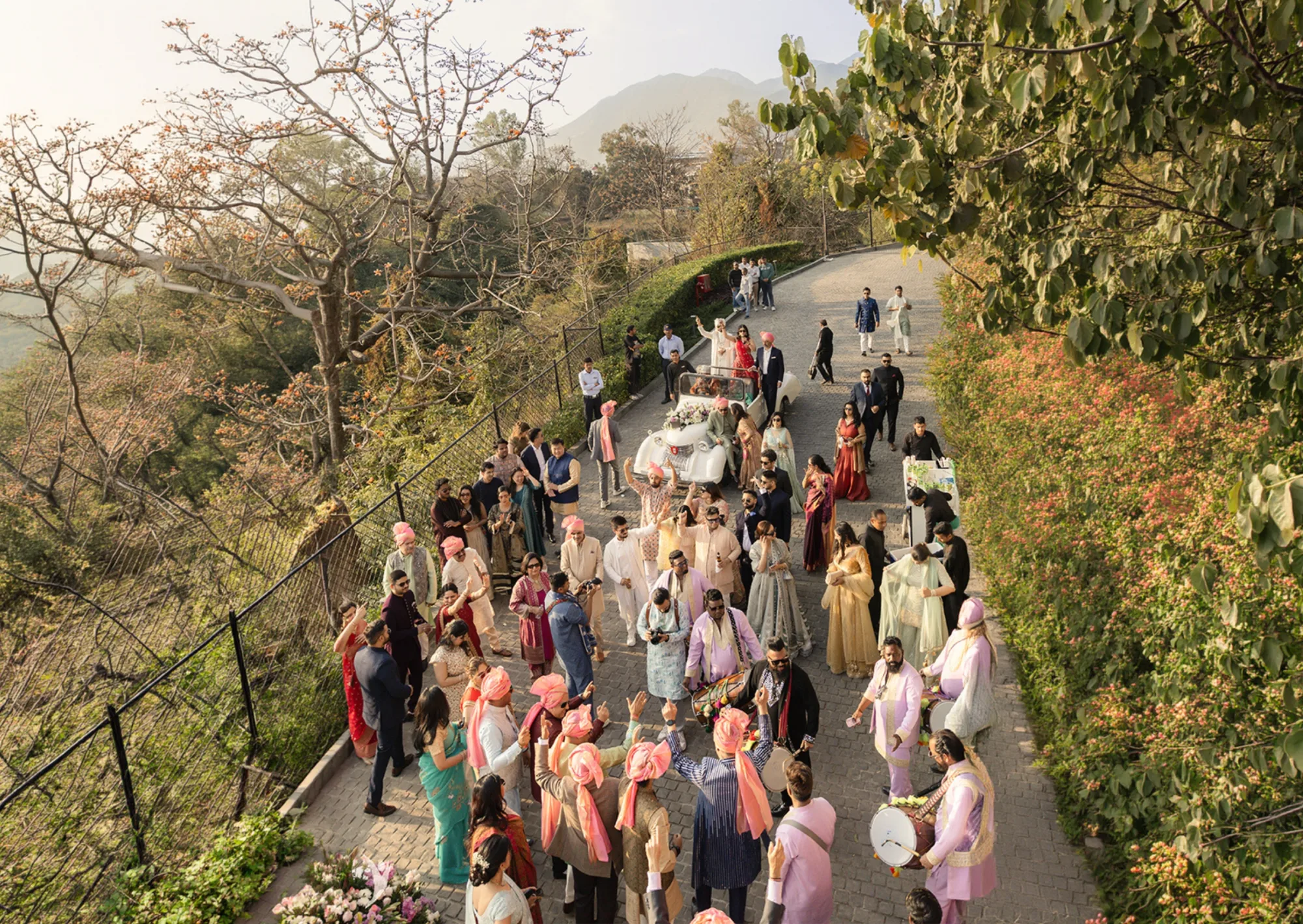
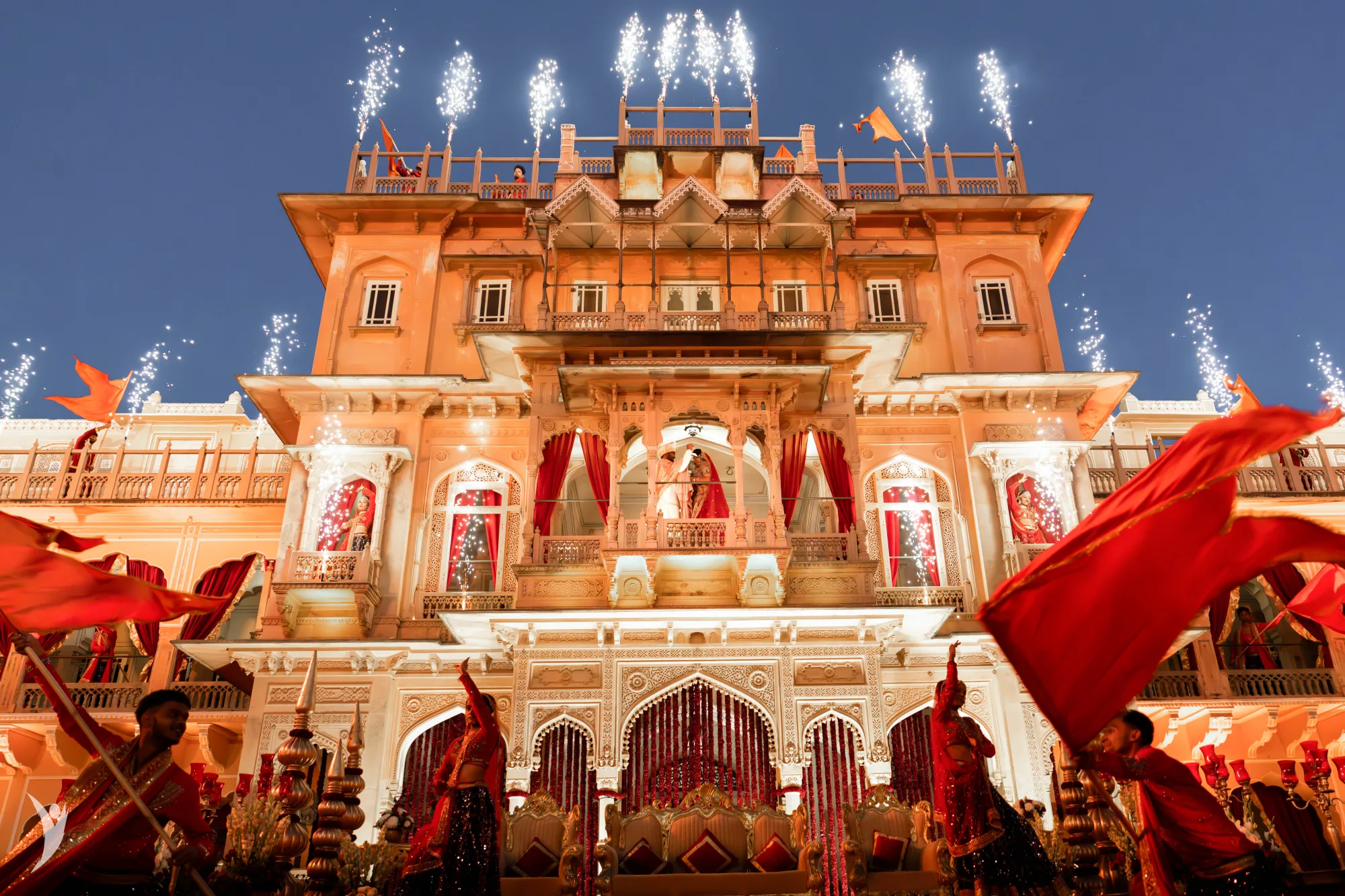
The chaos. A baraat is not something you compose. It is something you get above, and let happen — the car, the dhol, the coral turbans, an entire family moving at once and none of it arranged.
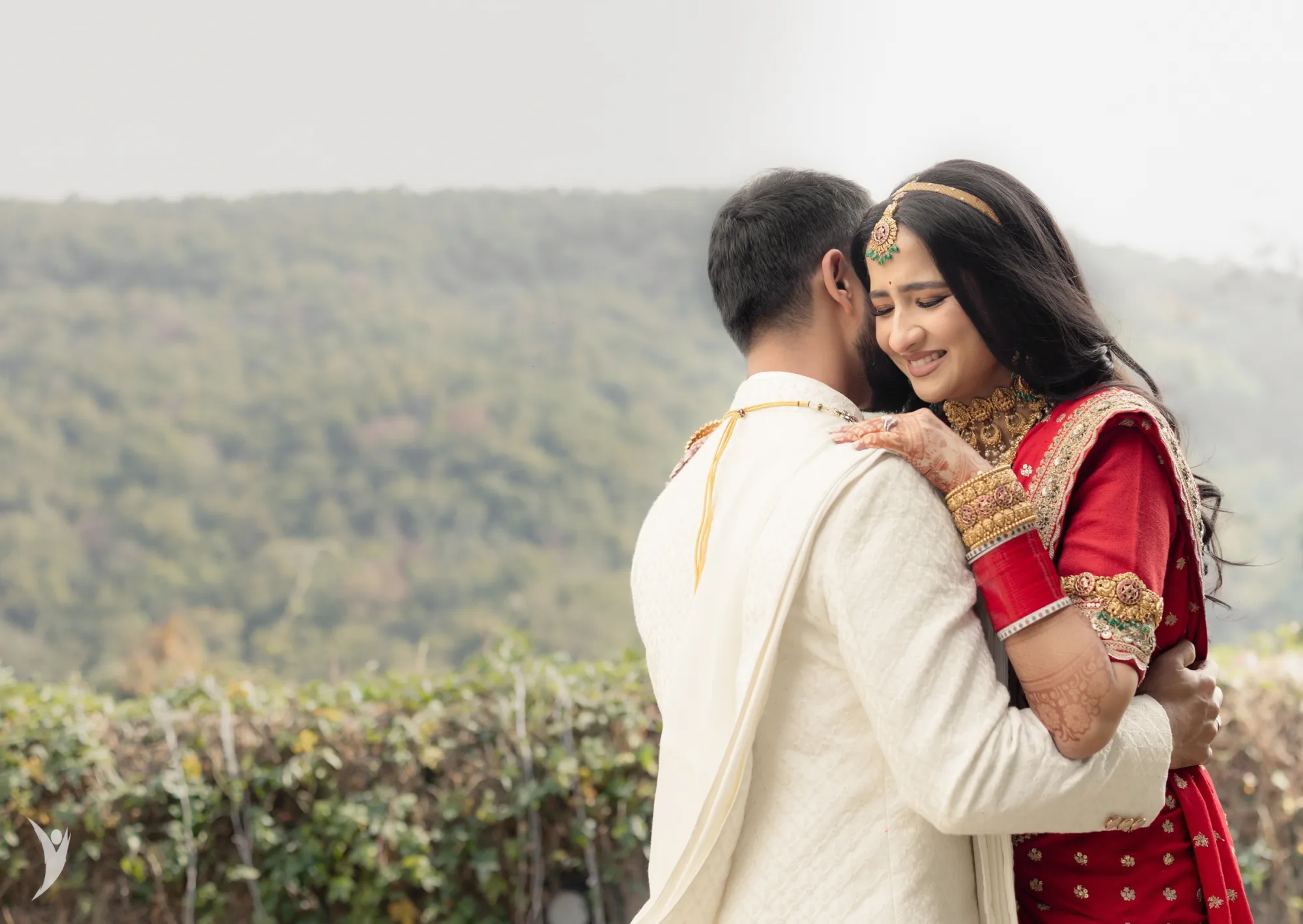
The quiet in between. Twenty minutes later, almost nothing: two people holding on to each other with the hills going soft behind them. Weddings are loud. The frames that last are often the quiet ones.
Candid, documentary, editorial — a range, not a rivalry. We are not against candid. Candid is where most couples start, and it is a perfectly good word for a perfectly good thing. It is simply one end of something wider. Here is the same bride, the same morning, at all three.
Candid — warm, alive, aware; her family clapping her in. The accessible end, and a real part of any wedding day.
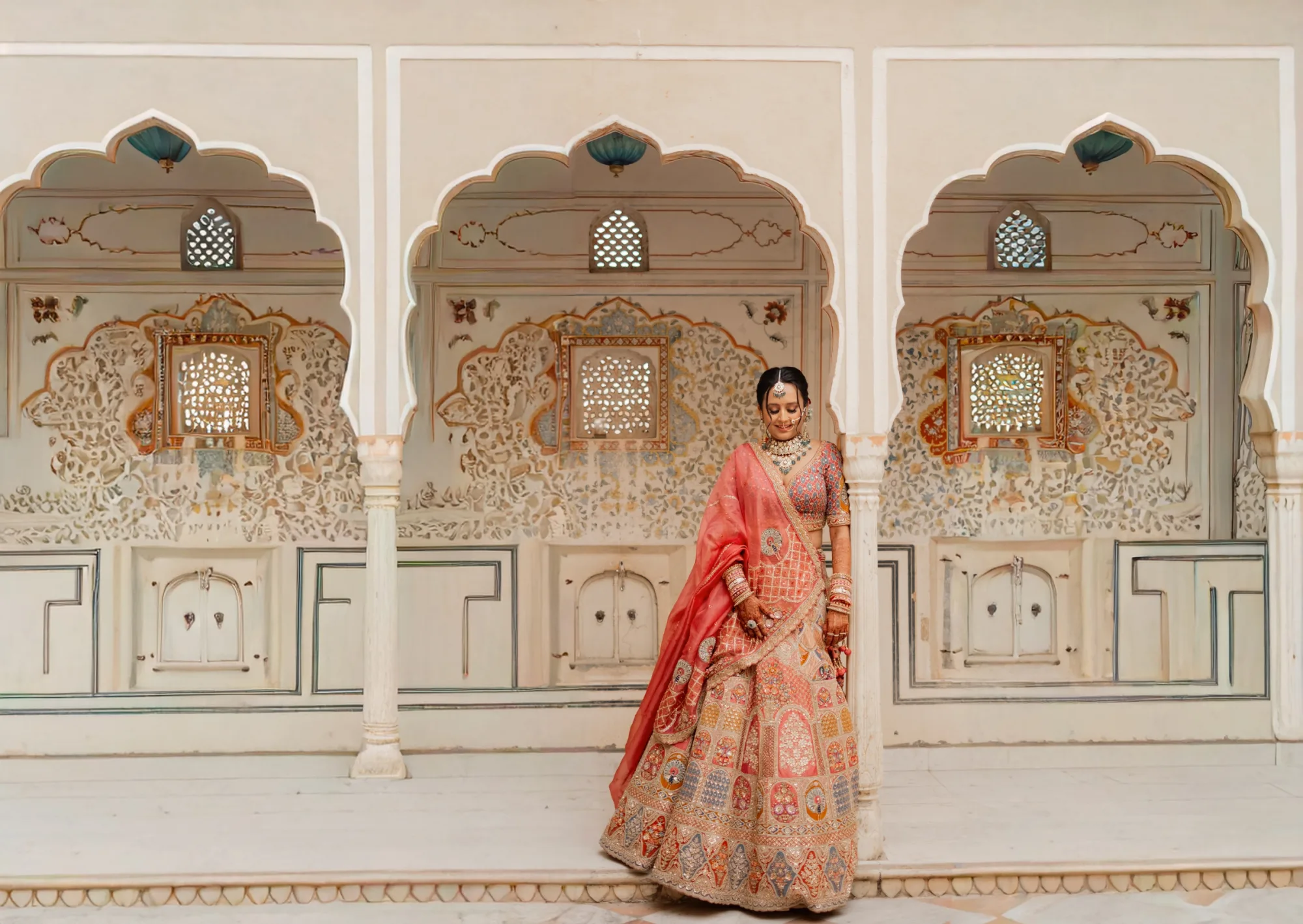
Documentary — a few moments later, alone in a corridor, making a face at something only she can see. She has no idea we are there. This is our core.
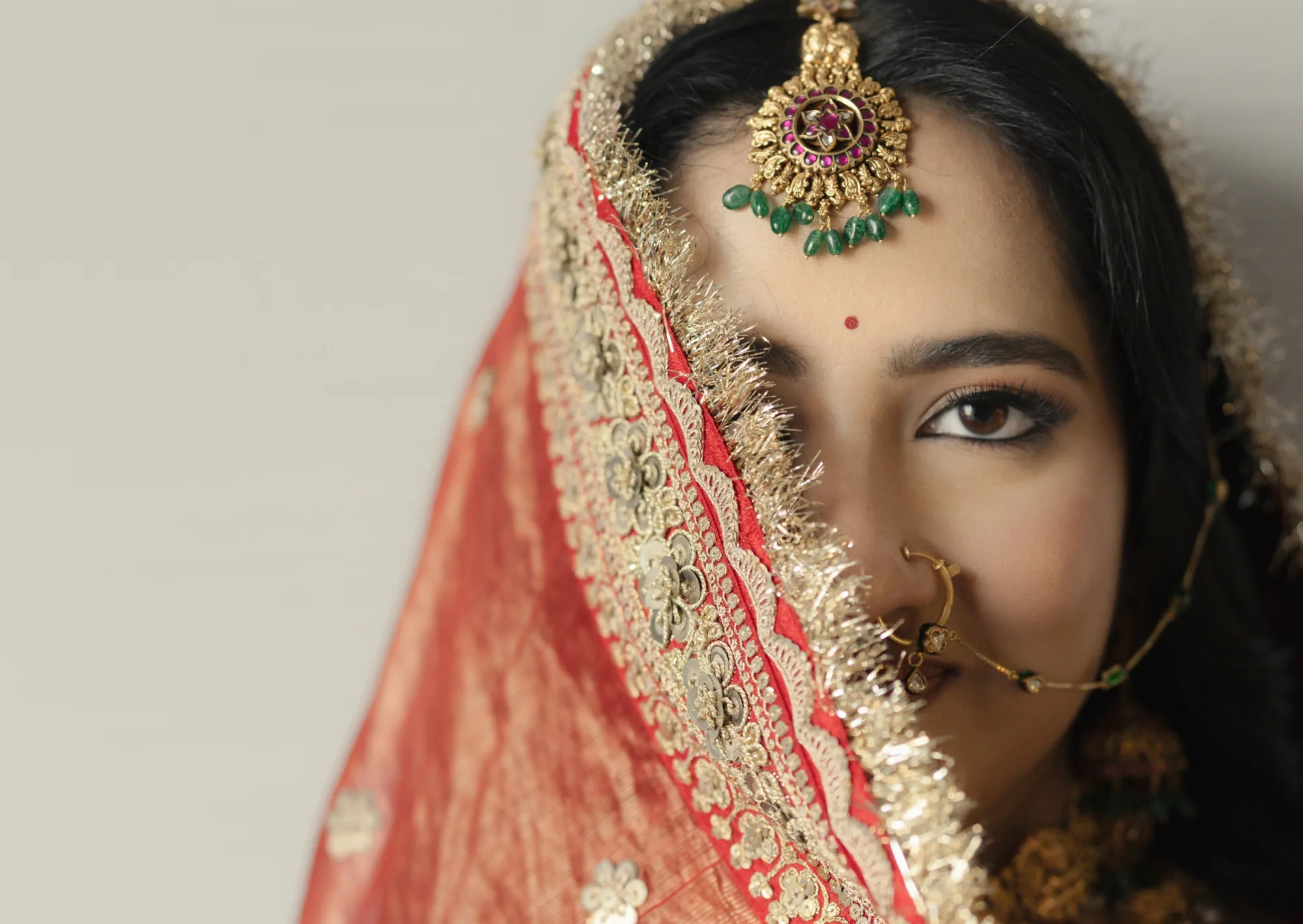
Editorial — and when the craft is called for, we compose, deliberately and slowly, for one frame. Posing is not a sin; pretending a posed frame is a real one is. You can see that end of the range in a luxury fort wedding at Tijara.
It is the whole day, not just the tears. Documentary does not mean sad, and it does not mean grainy. It means unposed — across every hour of the day, including the ones nobody plans for.
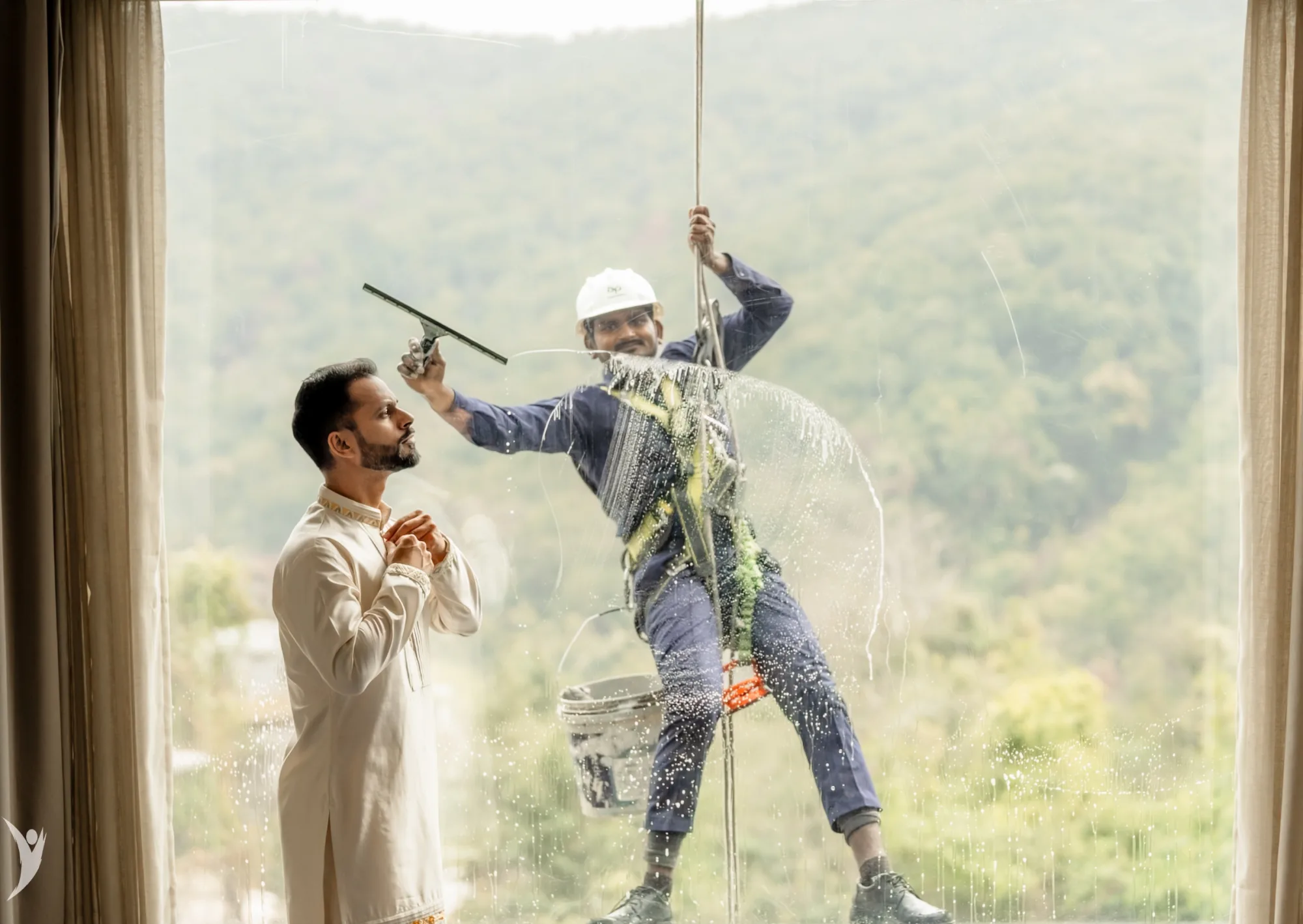
A groom in his sherwani, hands together, thanking the man cleaning the windows outside his room, not long before he got married. Nobody staged that. Nobody could have.
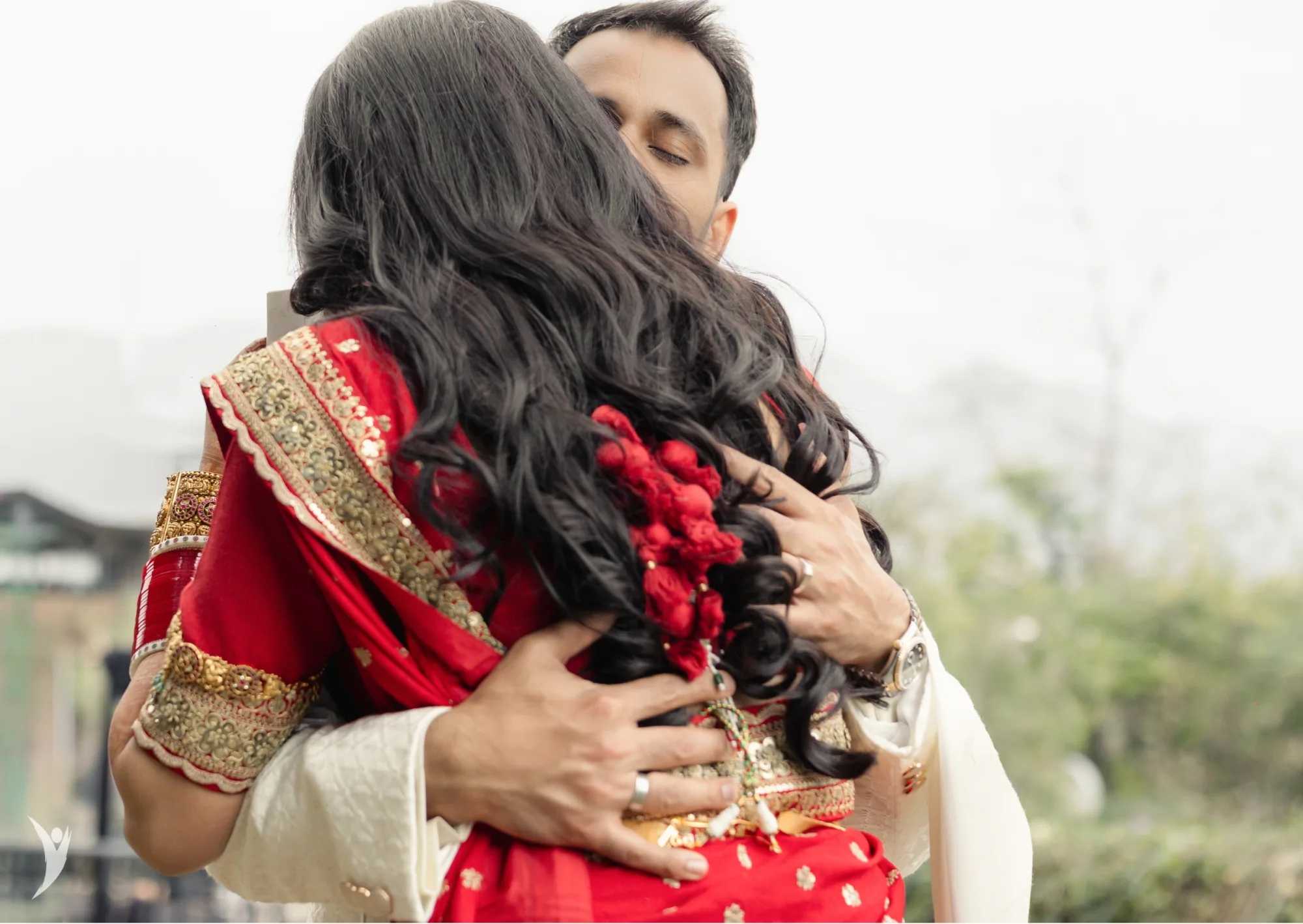
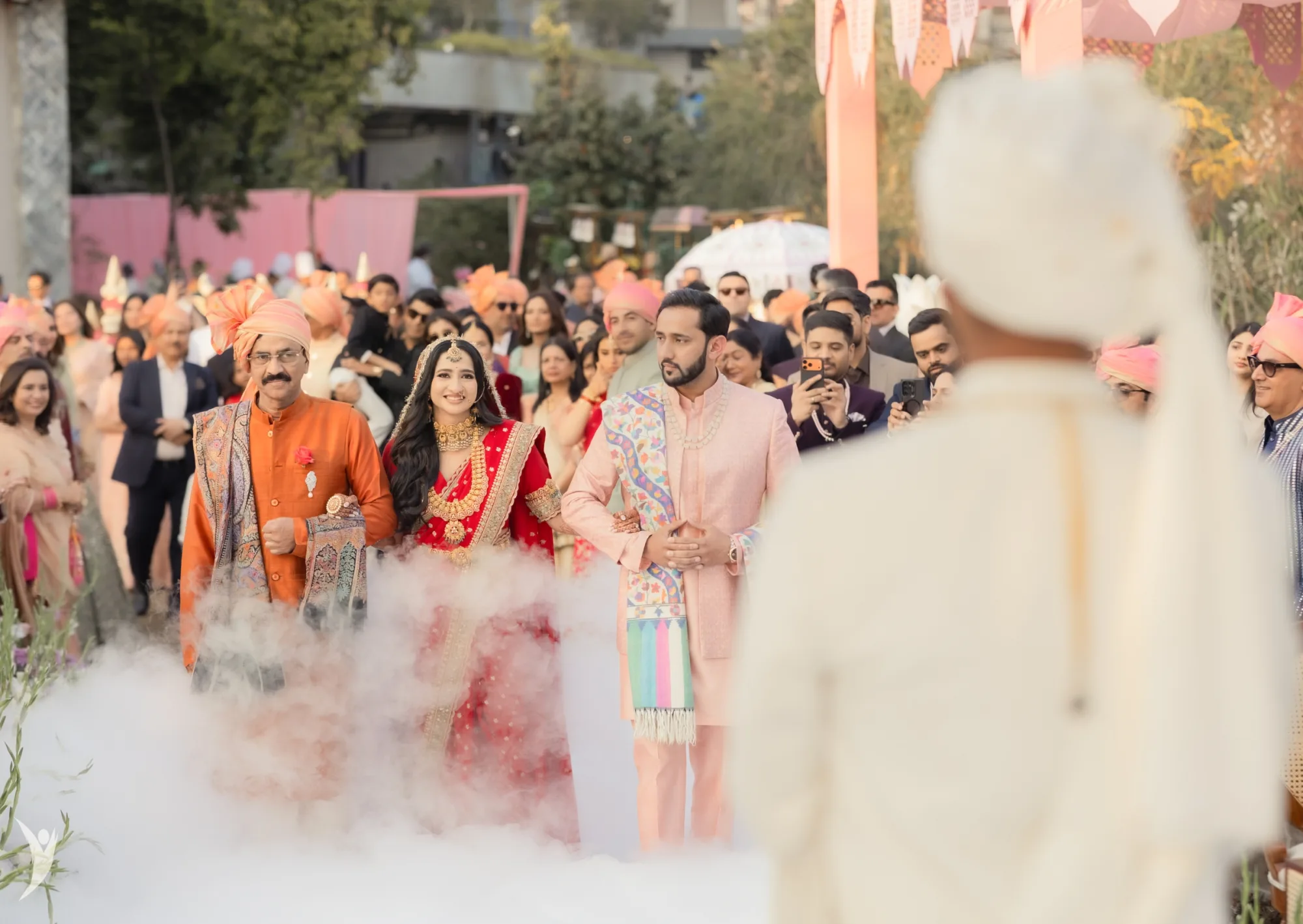
An embrace nobody arranged. The bride’s entrance again, this time from where he was standing, his turban filling half the frame, out of focus and entirely the point.
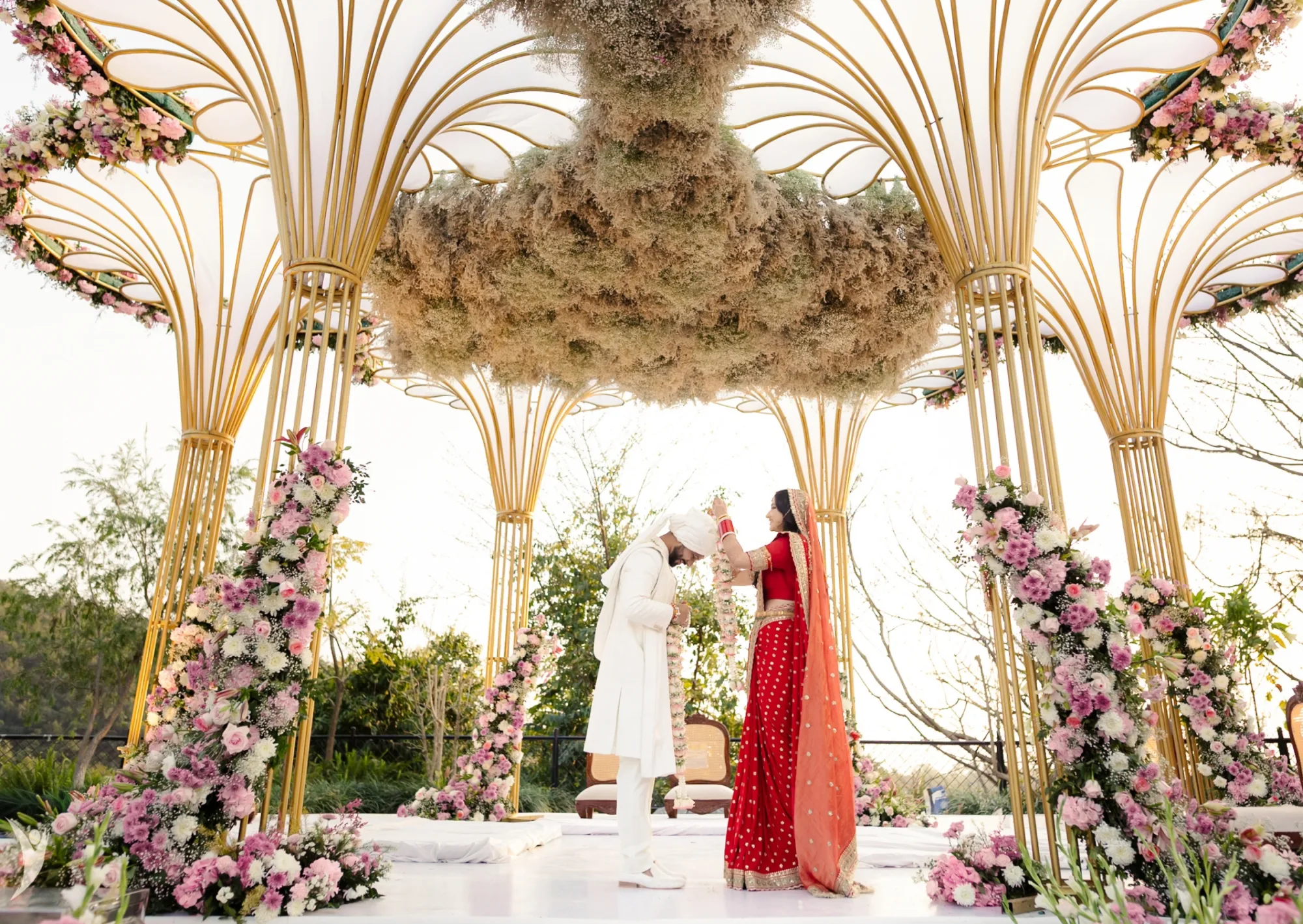
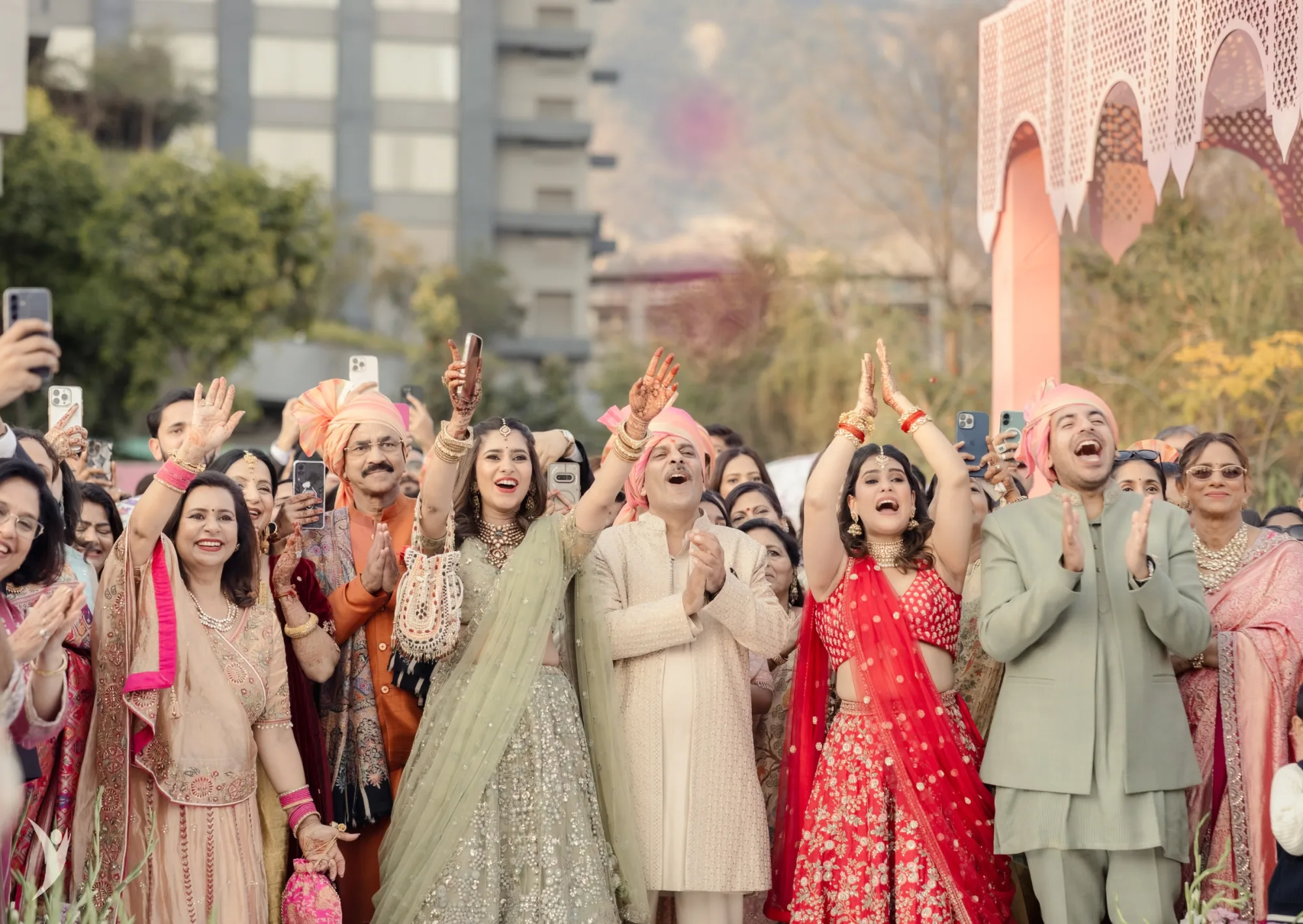
The ritual, wide enough to hold the architecture. And then the people watching it — phones up, hands up, mid-shout. Half of any wedding happens in the faces of the people who are not getting married. You can follow the same approach across a full day at Jessal and Sampriti’s wedding in Bahrain and Talin and Gaurangi’s in Goa.
What you will actually get. Not a version of your wedding arranged for a camera. The one that happened. That is the whole point of booking a candid documentary wedding photographer in India who means the documentary half of it.
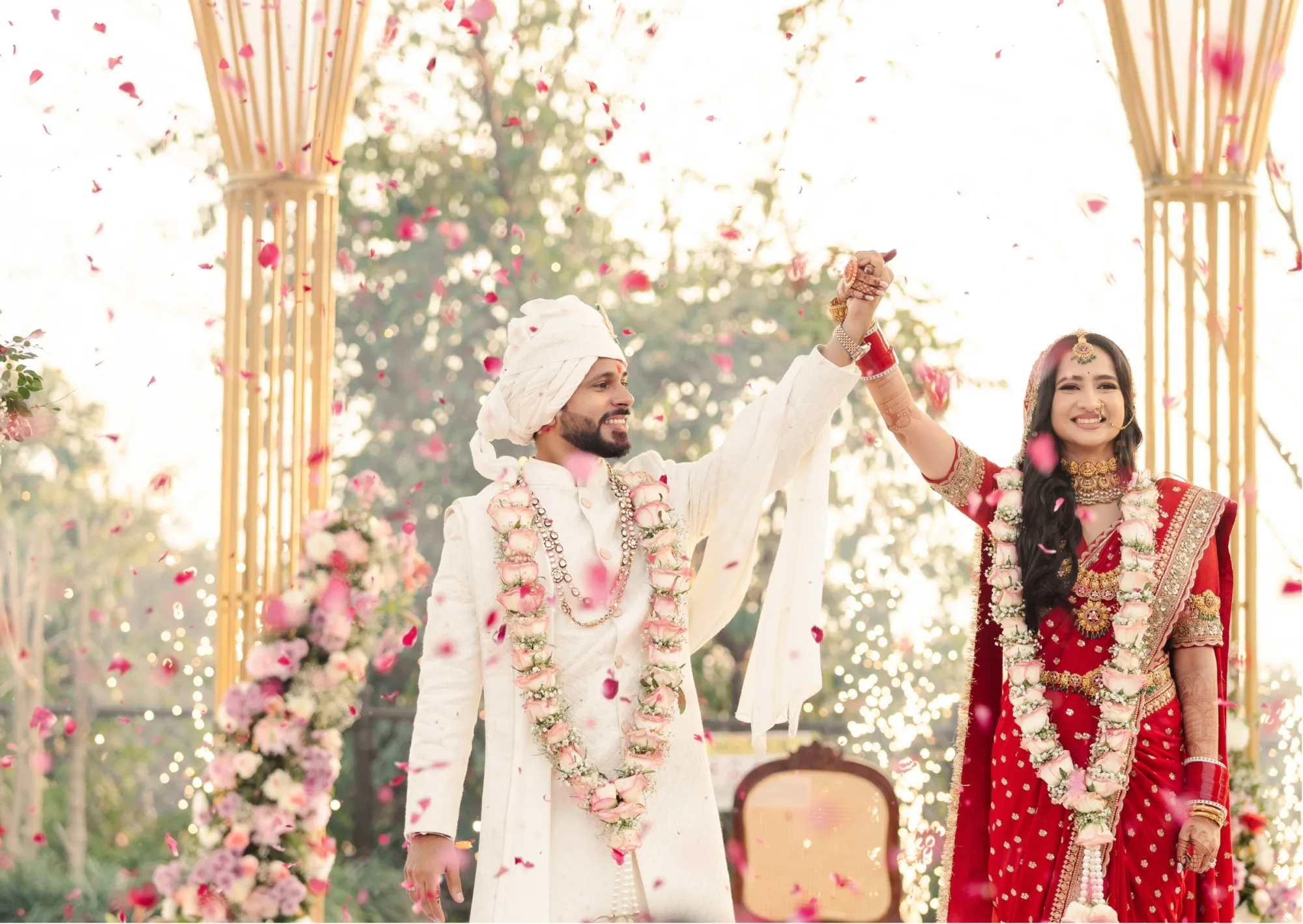
What is documentary wedding photography? Documentary wedding photography is the unposed record of a wedding as it actually happens — no directing, no re-staging, no asking anyone to do that again. The photographer stays unobtrusive and waits for real moments instead of arranging substitutes for them.
Is candid the same as documentary? Not quite. Candid usually means the subject was not formally posed, but was often aware of the camera. Documentary goes a step further: the moment would have happened in exactly the same way if no photographer had been in the room. Every documentary frame is candid; not every candid frame is documentary.
Candid vs documentary wedding photography in India — which should I book? Ask to see a full wedding, not a highlight reel. If the gallery is mostly people smiling at the lens, you are looking at candid. If it holds parents’ faces, half-seconds and moments nobody could have asked for, you are looking at documentary — and that is the work that still means something in twenty years.
If that is the kind of record you want of your day — in India or anywhere we can carry a camera — we would love to hear your story.